

The Story of Foraged Ingredients in Virginia: A Return to the Early American Table
There is something timeless about food gathered directly from the land. Long before Virginia became known for wineries, farm-to-table restaurants, and destination dining, the earliest communities of the region survived through a deep understanding of what the forests, rivers, and fields could provide. Indigenous tribes, African culinary traditions, and European settlers all contributed to a food culture rooted in foraging, preservation, and seasonal abundance. At GATHER, our August 29 Founders Dinner at historic Salubria Manor explores this story through the lens of the early American table. Inspired by Chef Frida Johansson’s thoughtfully curated menu, the evening reflects a culinary tradition shaped not only by what was carried across the Atlantic, but by what could be discovered, harvested, and shared from Virginia’s landscape itself.
Virginia’s Deep Foraging Tradition
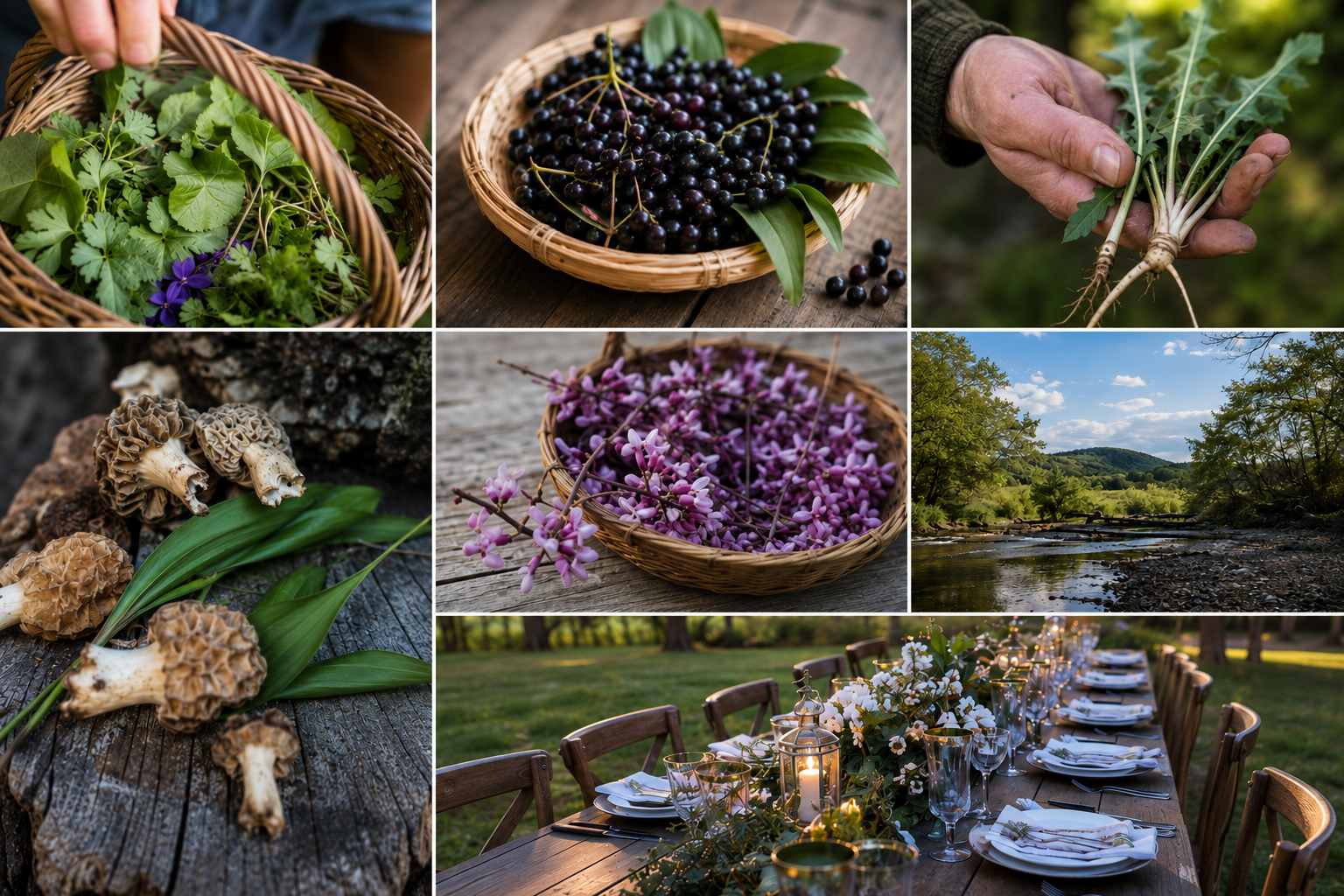
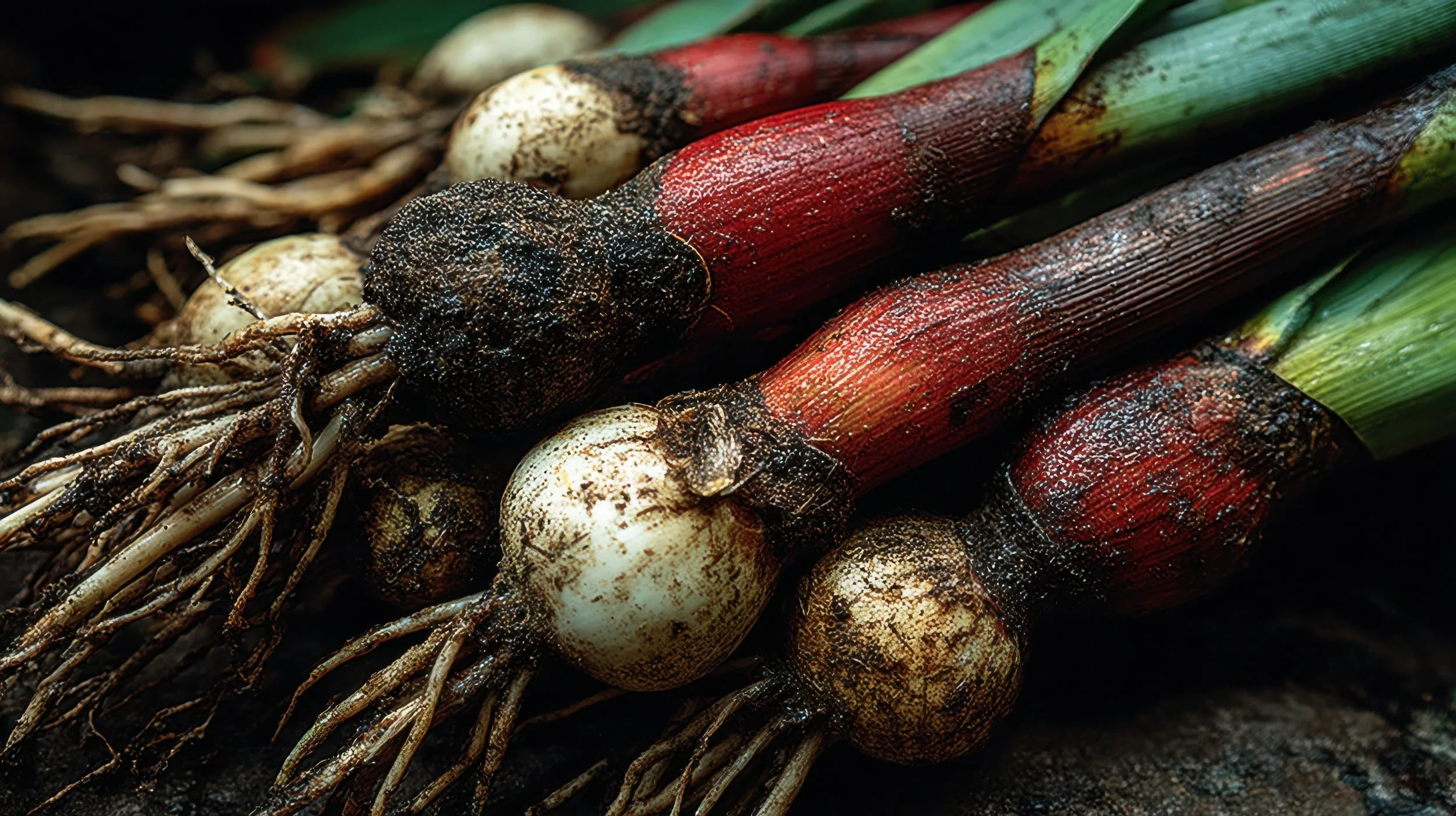
The history of foraged food in Virginia stretches back thousands of years. Before colonial settlement, Indigenous communities throughout the Virginia Piedmont understood the rhythms of the land intimately. Wild onions, berries, mushrooms, pawpaw, persimmons, ramps, chestnuts, river fish, herbs, and nuts formed an essential part of everyday nourishment.
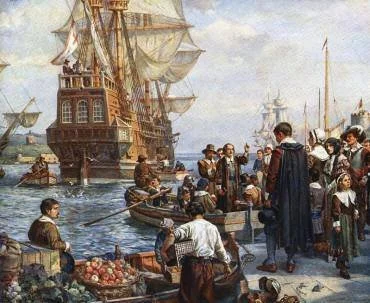
These ingredients were more than food—they were survival, medicine, and community. As European settlers adapted to Virginia's landscape, they relied on Indigenous knowledge and local resources. African agricultural traditions, preservation methods, and culinary practices further shaped the region's cuisine. Together, these influences formed the roots of Virginia's earliest farm-to-table traditions.
The Return of Foraged Ingredients in Virginia Cuisine
Today, chefs throughout Virginia are rediscovering the beauty of regional ingredients and seasonal cooking. From wild herbs and mushrooms to heirloom vegetables and locally sourced meats, the modern culinary movement is reconnecting diners to the land itself. What was once necessity has become intentional — a slower, more grounded approach to hospitality that values seasonality, locality, and story. Chef Frida Johansson’s menu for the August 29 GATHER Founders Dinner reflects this philosophy beautifully.
Inspired by Virginia’s early food traditions, the evening incorporates ingredients historically tied to the region while elevating them through refined culinary technique. Seasonal produce, preserved elements, fresh herbs, locally sourced proteins, and thoughtfully paired beverages create an experience that feels both historic and contemporary. Rather than recreating colonial food literally, the dinner interprets the spirit of the early American table — communal, seasonal, resourceful, and deeply connected to place.
Why Foraged Food Matters Today
In a fast-moving world, foraged and locally sourced ingredients invite us to slow down. They remind us that food is not simply consumed. It is experienced. At GATHER, we believe remarkable meals begin with three things: People. Table. Place. The ingredients themselves become part of the storytelling. Wild herbs gathered nearby. Produce harvested at peak season. Regional wines and ciders selected to reflect the landscape.
Each detail creates a deeper connection between guests and the place where they are dining. This is especially meaningful in Virginia, where culinary history and landscape are inseparable. From the Blue Ridge foothills to the Chesapeake Bay, Virginia’s food traditions continue to evolve while remaining rooted in the land.
A Historic Dinner at Salubria Manor
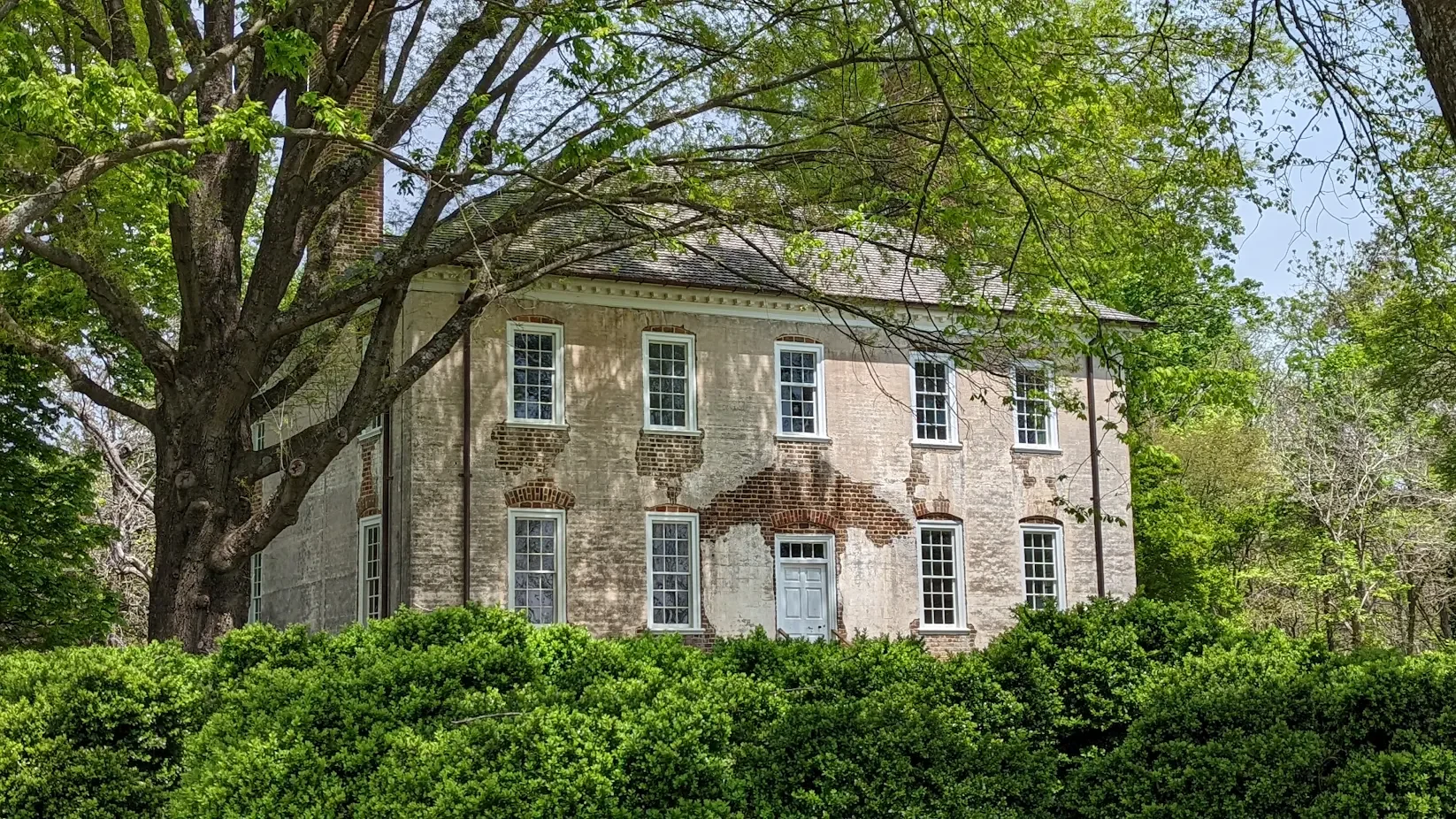
On August 29, GATHER arrives at historic Salubria Manor for a special Founders Dinner honoring America’s 250th Anniversary. Beneath the Virginia sky, guests will gather around a single candlelit table to enjoy seasonal ingredients, meaningful conversation, and Chef Frida Johansson’s thoughtfully crafted menu. The courses remain a surprise until arrival—because discovery is part of the experience.
Virginia's food culture is evolving as travelers seek authentic, immersive experiences rooted in place. GATHER is part of that movement—bringing people together around remarkable tables where food, history, and hospitality intersect. More than a dinner, each gathering is an opportunity to connect with the land, the season, and one another.
EXPERIENCE GATHER
Join us for upcoming Virginia farm-to-table dinners, immersive culinary experiences, and historic dining events at remarkable locations throughout the Commonwealth. Explore upcoming events and reserve your seat at gatheraround.co.